Evidence-Based Research on the Benefits of Nature-Based Therapy for Children
Research shows that therapy in nature…
Improves motor skills and confidence
Enhances attention and cognitive function
Promotes emotional regulation and stress reduction
Supports sensory integration and self-regulation
Facilitates social and emotional growth
Fosters holistic development
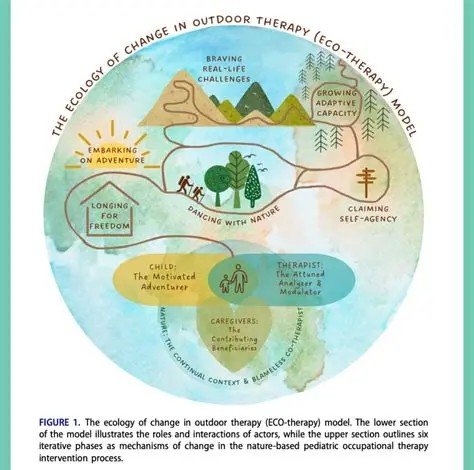
Figueroa, L. P., Poskey, G. A., Rose, K. K., & Pickens, N. D. (2025). Mechanisms of Change in Nature-Based Pediatric Occupational Therapy: The Ecology of Change in Outdoor Therapy Model. Occupational Therapy In Health Care, 39(3), 500–521. https://doi.org/10.1080/07380577.2024.2372739
The ECO-Therapy Model
The Child: The Motivated Adventurer
The Therapist: The Attuned Analyzer & Modifier
Caregivers: The Contributing Beneficiaries
Nature: The Continual Context & Blameless Co-Therapist
Phases of Outdoor Therapy
1. Longing for Freedom: Desiring change and longing to do things differently
2. Embarking on Adventure: Facing uncertainties, feeling curiosity and engagement
3. Dancing with Nature: Finding rhythms, letting go, and noticing nature
4. Claiming Self-Agency: Growing confidence and realizing potential
5. Braving Real-Life Challenges: Taking risks, doing hard things, and reframing thinking
6. Growing Adaptive Capacity: Perceiving needs, solving problems, and improving participation
Book Recommendations
Last Child in the Woods - Richard Louv
Balanced and Barefoot - Angela J. Hanscom
There's No Such Thing as Bad Weather: A Scandinavian Mom's Secrets for Raising Healthy, Resilient, and Confident Kids (from Friluftsliv to Hygge) - Linda Åkeson McGurk